prodigious reader, chronic forgetter
4651 stories
·
13 followers

The Lost Joy of Music Piracy

1 Comment

“I was responsible for the dancing baby meme,” Rob Sheridan laughs over a video call. Now better known as an accomplished graphic designer and the former creative director of Nine Inch Nails, Sheridan’s list of accolades date back to 1997, when he created a website dedicated to the low-resolution animated GIF.

The first thing I notice when our interview begins is his t-shirt, which bears the ironic slogan “HOME TAPING IS KILLING MUSIC,” a phrase once printed on record sleeves in the UK during the ‘80s alongside a cassette tape resembling a skull and crossbones, later used in the logo of the infamous BitTorrent tracker The Pirate Bay. During his decades-long career in the music industry, Sheridan has stood out as one of the few outspoken advocates of media piracy.

“I was really early on the internet, making websites just as a hobby in high school to teach myself HTML,” he explains. “I remember the first time I was able to download the leak of a new song, Nine Inch Nails’ 1997 single ‘The Perfect Drug.’ It was played on a radio station and someone recorded it, and was able to upload it in this RealAudio format which compressed music in a way that made it manageable to download for the first time.”

While attending New York’s Pratt Institute the following year, Sheridan dove headfirst into the world of illegal file sharing. “Very much in the way that Napster originated, people had their own servers with files in public folders. You’d connect to the local network at your dorms and people had their mp3 collections on there. I ended up discovering a whole bunch of music that way. I downloaded a whole bunch of albums that I never had the opportunity to try because every album was an 18 dollar investment. That kind of radicalized me, and I became a fan of so much more music.”

While barely finished with his first year of art classes, a Nine Inch Nails fan site Sheridan had created caught the attention of the band, and in 1999 he was hired to design their official webpage.

“I ended up leaving school and moving down to New Orleans, living down at their studio and working there. One thing led to another and I became a creative partner, then art director, and doing more stuff,” he explains. “They'd all been kind of holed up in this studio for a couple years following up their huge album [The Downward Spiral], and it was all very secretive. I was the kid coming in with a bunch of energy and all this technological interest—like hey, check out this LimeWire thing. Everything we did with Nine Inch Nails was very confrontational with new technology.”

As an avid pirate suddenly finding himself in the midst of the music business, Sheridan saw the issue from a different angle than most of the suits he was surrounded by. “I got brought in and we were being flown to New York, the label was taking us out to these expensive dinners and paying for everything—top notch hotels, everyone had private cars and drivers. There was so much money going around, and it wasn't the artists who were rolling in cash. I remember one of my first comments to Trent [Reznor] was, ‘Now I see why CDs cost 18 dollars.’”

By the time Nine Inch Nails’ comeback album With Teeth hit stores in 2005, it had already been available to download on Oink for a number of weeks. Rather than joining the growing number of artists angry at their fans for not waiting to pay, Sheridan says they saw it as a failure on the side of the music industry. “We knew that the moment we sent it to the record label it was gonna leak. At the end of the day, Trent is a music fan too—if someone is like, ‘Hey, you can listen to the new album from your favorite band right now, or you can be good and wait three more weeks,’ of course you’re not going to wait. It's not really a moral question at that point. Instead of blaming them, we looked at the problem—which was the record label. That’s when we decided what we’re going to do is release the digital version first through our site, and then send it to the label. The CD can come out later.”

For the rollout of their next album, Sheridan and Reznor leaked singles via USB drives hidden inside the venues of their 2007 tour, kicking off a masterclass in viral marketing: an alternate reality game immersing fans in the dystopian future of Year Zero. Clues encoded in the mp3 files and tour merch directed participants to a string of websites and phone lines revealing further details of the album’s concept, music videos, cover art, and eventually the album in its entirety.

In October of 2007, Oink’s servers were raided by police and the website’s creator was arrested. The following day, Sheridan penned a eulogy for the website in a blog post titled The Death of Oink, the Birth of Dissent, and a Brief History of Record Industry Suicide, where he called the website “the most complete and most efficient music distribution model the world has ever known,” and added that he would gladly pay a large monthly fee for any legal music service of the same level.

The next year, Nine Inch Nails released their album The Slip for free via BitTorrent and direct download from their website, where Reznor wrote, “Thank you for your continued and loyal support over the years—this one's on me.” Though they weren’t the first major band to release an album for free during this era (Radiohead released In Rainbows via the pay-what-you-can model the previous year), this method marked the beginning of a change that would take the rest of the industry years to catch up to.

“It was us acknowledging how much of a download world it was, but it was also just continuing to experiment,” Sheridan says of the decision. “Part of that was acknowledging very early on that collecting your audience is very valuable. We got the email addresses of everyone that got it for free so that we could reach out to them about the tour that we were about to do, and sell tickets to that. Everyone was trying to figure out what their place was in terms of how to have an economy around music at that time. They had made music so expensive to access, while at the same time you've got Apple being like, ‘You can store a million songs in your pocket!’—okay well, I don't have a million dollars.”

Following Oink’s closure, record labels pressed on with business as usual, and a new private tracker called What.CD quickly sprung up to fill the void it left behind. In a short matter of time, the community would grow to match the vast library of its predecessor—a success which Sheridan sees as a product of the industry’s failure to adapt in an increasingly digital landscape. “I got on What.CD and kept rolling on there. It really was an answer to something that the music industry wasn't providing at the time. Now that’s kind of acknowledged by streaming music. It has a lot of major flaws, but kids today have no concept of how amazing it is. It should cost a lot more to be able to just flow through the entire history of music. You had to have been there in that private club to realize how special it is to have that access to music for everybody now.”

As exciting as this meticulously organized archive of free music was, I wouldn’t be able to invite my friends to let them join in right away. In order to acquire closely-guarded and highly sought-after invites, I would need to climb the rung of user classes to achieve the status of “Power User” by uploading a number of torrents myself. While at first it came off as unnecessarily elitist and gatekept in nature, the rules in place within the shadowy cabal of private trackers existed for a reason.

“If [trackers] are public and they're easy to get onto, that means they're also easy for law enforcement to get onto, so all they have to do is download the torrents and see who they're connecting to. Having a private site with some pretty hefty walls around it means that you are much more secure,” explains a former staff member and moderator of What.CD, who requested to go by the pseudonym ‘Brian’ during our interview.

“The other reason is that there’s no community on public sites,” he continues. “There are no accounts, there's no motivation really other than just your own goodwill, so it’s very common to download something and stop seeding it on your computer. Private trackers are built around having one account and one account only. They're built around tracking your ratio of upload to download. Those two things together provide a lot of incentive to continue seeding your content and making it available to other people. That’s what created the magic of private trackers being comprehensive and reliable.”

After passing the interview and becoming a member in 2010, Brian says his first impression of the website was something of awe. “Very quickly I understood what this site was—how much respect people had for it, and how much work it took to build and maintain. The community was very active on the forums and IRC,” he adds. “Still to this day, I've never seen such an actively maintained network of knowledge and output, it really sucked me in. Every band or album had a word cloud that showed connected artists, and I found a lot of music just by clicking around and optimistically downloading things. There were also the collages that people would make for their own personal taste, or by themes which ranged from, ‘Here are all the Pitchfork 10s,’ to, ‘Every album that has a train on the cover.’”

The following year, Brian became a staff member himself. “These places felt like some of the last survivors of the bulletin board style forums in a world that is now just Reddit and Instagram comments. There’s a real magic to that kind of communication. It was a lot of what I wanted in an internet community. I got involved on the interview team at the start. From there, they eventually asked if I wanted to handle more sensitive responsibilities and join the mod team.”

As a member of the mod team—the shadowy cabal within the shadowy cabal—Brian’s responsibilities mainly consisted of enforcing the rules surrounding user accounts, a task he says he handled when not occupied with high school homework assignments.

By this time, around 2011, What.CD had become the largest archive of music in human history. Taking the hard-earned lessons from their predecessor, the tracker had stayed under the radar of four-letter agencies. While operational security and potential legal action was always top of mind for staff, Brian says that during his tenure on the team, their largest perceived threat was a brief scare from the J.D. Salinger estate.

On What.CD, one of their most popular functions was the request system, a member-led bounty economy driven by the incentive of gaining valuable upload ratio. If a user wanted something that wasn’t already available on the website, they could create a “request” for it, offering a portion of their own upload credits to whoever was able to fulfill it. Typically, these requests could be filled by spending around $20 on Amazon or iTunes and uploading the files. For highly-sought after releases yet to hit shelves, other users chipped in on the bounty, creating a massive reward for whichever record store employee was willing to “borrow” a copy from the backroom before the release date, resulting in the website frequently becoming the originating source of album leaks online. The largest request on the website was for “The Ocean Full of Bowling Balls,” an unpublished short story by Salinger only known to exist in a locked room of the Princeton Library, where it was available by appointment to read under the strict supervision of staff.

“It was basically like a long running joke that it would never get filled,” Brian laughs. “And then somebody fucking did it.” In November of 2013, a What.CD user tracked down one of the 25 copies of the manuscript allegedly printed in 1999 in order to fill the request. The unexpected leak made headlines around the world, and the torrent file was quickly pulled. “It was known that the Salinger estate was very legally motivated, very litigious,” he says. “It would never be allowed to actually be on the website, so the hand was forced.”

While the unwanted attention raised alarms amongst staff, Brian says nothing came of it. “To the best of my knowledge, [action from law enforcement] never happened until the very end, and even that was pretty minor, but we were constantly paranoid about it. It was a huge thing on the back of our mind at all times.”

In November of 2016, users attempting to log into What.CD were shocked by a message displayed on the homepage, stating that, Due to some recent events, What.CD is shutting down. We are not likely to return any time soon in our current form. All site and user data has been destroyed. So long, and thanks for all the fish.

According to a French cybercrime website, authorities had seized a number of What.CD’s servers earlier that day. The sudden closure came as a surprise to their 165,000+ registered users, including staff like Brian. The site never returned, and no further details were ever made public to the mourning userbase. Even today, speaking about the loss of What.CD with an Anonymous stranger feels like recounting the death of a close friend.

“I feel like it’s probably okay to share the top level detail about this,” Brian says somberly. “What.CD’s security was very strong. It was run by very smart people who knew their stuff about being systems operators. Ultimately, some servers in the network were taken down by a French enforcement arm. They were just reverse proxies, which didn’t store anything actually sensitive, except maybe a connection that led to the real servers. That was the first and only time—that I'm aware of—that any kind of enforcement had been launched against the site. Even though nothing happened, even though there is a world where we could have just replaced the server and switched all the hosting in that country to something else and continued onward, the admins made the very reasonable decision to say, We are now in a different sector of risk, we’ve gone from zero actions taken to one action taken, we’re abandoning ship—and started deleting everything. There was no way of knowing whether they would follow the trail to the next server. It was obviously a very difficult decision and the admin I talked to after was really upset about it, but I'm sure many people agree it was also the sensible choice to make.”

Coinciding with the shutdown, streaming services had begun to reach the masses. As CD sales continued to plummet, labels moved away from physical releases, and major leaks became increasingly infrequent. Suddenly, anyone with a $10 monthly subscription had access to the entire world of music without even having to download it to their hard drive. In the wake of What.CD’s closure, I begrudgingly became a paying Spotify user. The record labels had finally won the war against music piracy.

Looking at the state of things now, much of what Sheridan predicted in his 2007 blog post has come true. Music has more or less become free, and we finally can pay a nominal fee for a service once offered only by illegal websites like Oink. Reflecting on his thoughts from nearly two decades ago, Sheridan isn’t so certain that we’ve arrived in a promised land.

“The idea at the time that music will eventually be free was more of a statement of where this is heading. Streaming is not economically sustainable for artists. The solution to all of this should have also been something that renegotiated how artists are paid for music. Instead, you've got artists who can’t even afford their bills even though they’re getting millions of streams a month, and you have Spotify paying Joe Rogan 100 million dollars. Artists are the ones being mistreated, while the middlemen are making a ton of money. There’s this whole world where people exist just to show up in the middle and take a big chunk of the money from something they had no part in creating. The Spotify model is like saying your favorite restaurant should just be giving you free food until you decide to buy a t-shirt. If artists weren’t also being screwed on the touring side, then you could think of streaming as marketing, but there’s too many examples being dangled in front of our face of how much money is being funneled away to billionaires and corporations, and artists always come last. That’s my frustration with where we’ve ended.”

Read the whole story
rocketo
51 minutes ago
reply
"“The idea at the time that music will eventually be free was more of a statement of where this is heading. Streaming is not economically sustainable for artists. The solution to all of this should have also been something that renegotiated how artists are paid for music. Instead, you've got artists who can’t even afford their bills even though they’re getting millions of streams a month, and you have Spotify paying Joe Rogan 100 million dollars. Artists are the ones being mistreated, while the middlemen are making a ton of money."
seattle, wa
Share this story
Delete

AOC Must Run For President

1 Share
(Photo: Getty)

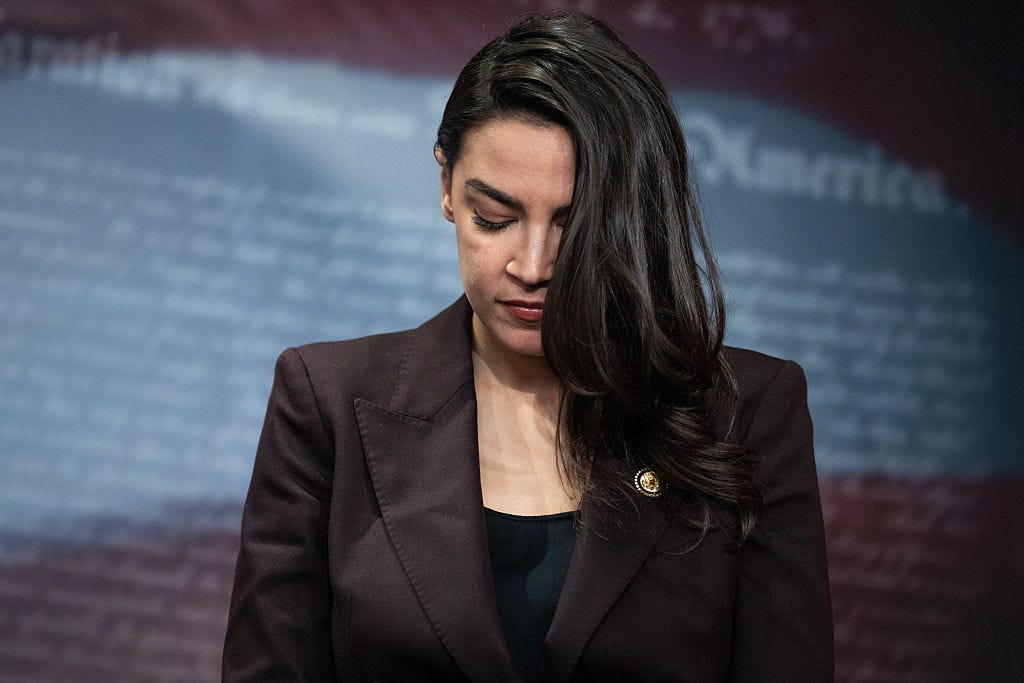
Horse race coverage is the dominant mode of political coverage in America. It sucks. It treats politics like sports, parties like favored teams, candidates like celebrities, and elections like personality contests. It focuses on who is up and who is down rather than on substantive issues. It discourages meaningful activism within parties for moral reasons. It is one cause of the widespread public cynicism towards our electoral system.

An advantage of holding genuine political beliefs and being a part of political movements is that you gain the ability to look at elections not as simple red-vs-blue personality contests, but as strategic steps on the long road towards our chosen ideals. Movements have goals that transcend individual candidates and individual election cycles. To embrace movement politics is to be able to look at any given campaign season and ask: What is the best, most meaningful way for us to use this election to build the movement, in order to make the world better in the long run?

For the American left, in the 2028 presidential election, there is a straightforward answer to that question: AOC must run for president. If she doesn’t, she is leaving significant gains on the table. Not gains for her; gains for the movement, for the working class, for progress, and for the world.


How Things Work is 100% reader-funded. To support our work, become a paid subscriber.


I do my best not to engage in “here’s what I think” crystal ball-style speculation about upcoming elections. (American journalism produces tons of this and it is all worthless.) So I’m not going to try to forecast polls a year from now. I’m just going to try to lay out the basic things that are true, today, that lead me to this conclusion.

First, this is going to be a backlash election. “The pendulum swings” is the most basic dynamic of national politics, and the pendulum is set to swing in the Democrats’ direction. Trump is historically unpopular. Not only that, but the entire Republican Party, having been purged of dissent, is inexorably aligned with his stink. Anything can happen, but the Democrats have a real inherent advantage going into 2028. Though centrists will, as they do in every election cycle, argue that we must nominate a centrist so as not to blow this chance, common sense tells you that if Democrats have natural advantages over any Republican candidate going into an election, we should rationally nominate the most progressive candidate that we can, because they have a better-than-usual chance to win, and they will accomplish the most good when they get in office.

So let’s talk about the Democratic primary. We all know that the left is surging electorally in a way that it has not in decades. Zohran Mamdani’s election as New York City mayor followed by wins by a host of socialist candidates in both local and Congressional primaries and elections across the country speaks for itself. “Strike while the iron is hot” is another piece of political wisdom that we ignore at our peril. It is generally a mistake, in American politics, to say “let’s wait four years and build.” It is wiser to seize every momentary advantage and push it as hard and as far as you can. Momentum is real. A billion different unpredictable things will happen between now and the next election cycle. You know you have a chance now, and you do not know if that will be true next time around.

Note that this is a different thing from saying “I am playing pundit, and I am going to forecast my imaginary polling averages for primary states to decide which candidates would be wisest to run.” No. We are a movement, remember? We believe in things. We ask instead, “Who is the candidate to carry our momentum into this election and do the most good?”

In this moment of momentum, with big structural changes necessary to defend American democracy itself, going into an election tilted towards Democrats, the left needs to run a candidate. That much, I think, is obvious. Having a presidential candidate to rally around boosts turnout, draws an enormous amount of attention to the movement, and helps lower-ballot candidates as well. There must be a real left candidate in the Democratic primaries. If we (and I realize that speaking of the political left as “we” implies a level of coordination that does not exist, but you get my drift) do not field a candidate we can unite behind in these primaries, we are fools, and we are throwing a lot of potential political capital in the trash.

(If we run more than one candidate who splits the left vote, we are also fools.)

(Photo: Getty)

So who will the left candidate be? As of today, there are only a couple of apparent options. AOC is widely reported to be considering a run, and, from what I hear, the uncertainty is genuine—though she has a large national profile, she’s young, she could just run for Senate instead and keep building herself up to a presidential run in the future. If AOC decides not to run, Ro Khanna is chomping at the bit to run as the most left candidate in the primaries.

Ro Khanna has good politics. But there are two significant drawbacks to a situation in which he ends up as the default left candidate. One, though he has more or less left political positions, he is not of the left. He did not come out of a movement. He is a rich guy with surprisingly good politics. I’m glad he has good politics. The problem is that since he is not really a person who rose up from within the ranks of the left itself, he does not have as strong a connection to the grassroots, to the base, to the most passionate left voters who make up the army that wins elections, as AOC does. There is a difference between an energized left united behind a popular candidate who rose out of NYC DSA, and a less energized left who defaults to supporting Ro Khanna because he is the only left option. In a competitive primary—which this is sure to be—that lack of genuine enthusiasm, that sense of “well, this is the best we can get,” is costly. It leaves you with less momentum and less support on the margins and less drive from your strongest base supporters.

Which is related to the second drawback: Ro Khanna would not win the Democratic primary. Though he has good politics, and he could surely raise some money, he is not exceptionally charismatic. And he will be running against candidates who can raise money and who are charismatic: Mayor Pete, Gavin Newsom, maybe Jon Ossoff, maybe Andy Beshear. You may like these guys or hate them but they are all more naturally charismatic than Ro Khanna. That matters in a competitive primary where many voters are deciding based on charisma. And it matters more when, as we just mentioned, the organized base of hardcore left voters who could potentially help you overcome that lack of charisma are not themselves naturally fired up about you in particular.

AOC is the opposite of Ro Khanna by these two measures. She inspires genuine enthusiasm in the base, in part because she came up through the movement and is seen as of the movement, rather than just as a politician aligned on the issues. And she does have charisma. Tons of it. I am doing my best not to drift into vague, vibes-based arguments here. I think these two points are inarguable. If AOC runs, the entire organized left will instantly spring into action, and its ongoing political momentum will instantly be thrown into her national campaign. If she does not run, and Ro Khanna does, this same mechanism will not happen. The left will perhaps drift behind him by default, but he will not at all inspire the same sort of instantaneous rallying around him that AOC would. Then he would have to somehow defeat more charismatic and more mainstream and at least equally well funded candidates on the trail. It’s not a good bet.


Donate to our reporting fund


Is there another viable left candidate who could run? One who has the same level of support among the left base as AOC, and who has comparable fundraising potential, and who has comparable charisma? I do not see one out there. Certainly, there are a lot of people that I personally like who could run for president, and who knows, maybe one of them would catch fire. But the unknowns and unpredictability involved in those campaigns prevent me from saying anything substantive here that would be worth saying, apart from “I like their politics.” We can all think of people we like who we think would be cool presidents and who we can fantasize about shooting to the top of the polls just because they are so great. But, in the summer of 2026, as we move closer to the time when presidential primary campaigns have to start organizing themselves in earnest, can we think of any other candidates who could credibly carry the flag of the left, and who could raise the funds necessary to run a credible national primary campaign, and who have the charisma and national profile to compete in a battle of other charismatic and media-savvy challengers, and who could quickly unite the bulk of the organized left around their campaign without either long and dreary internecine fights or a draining lack of enthusiasm?

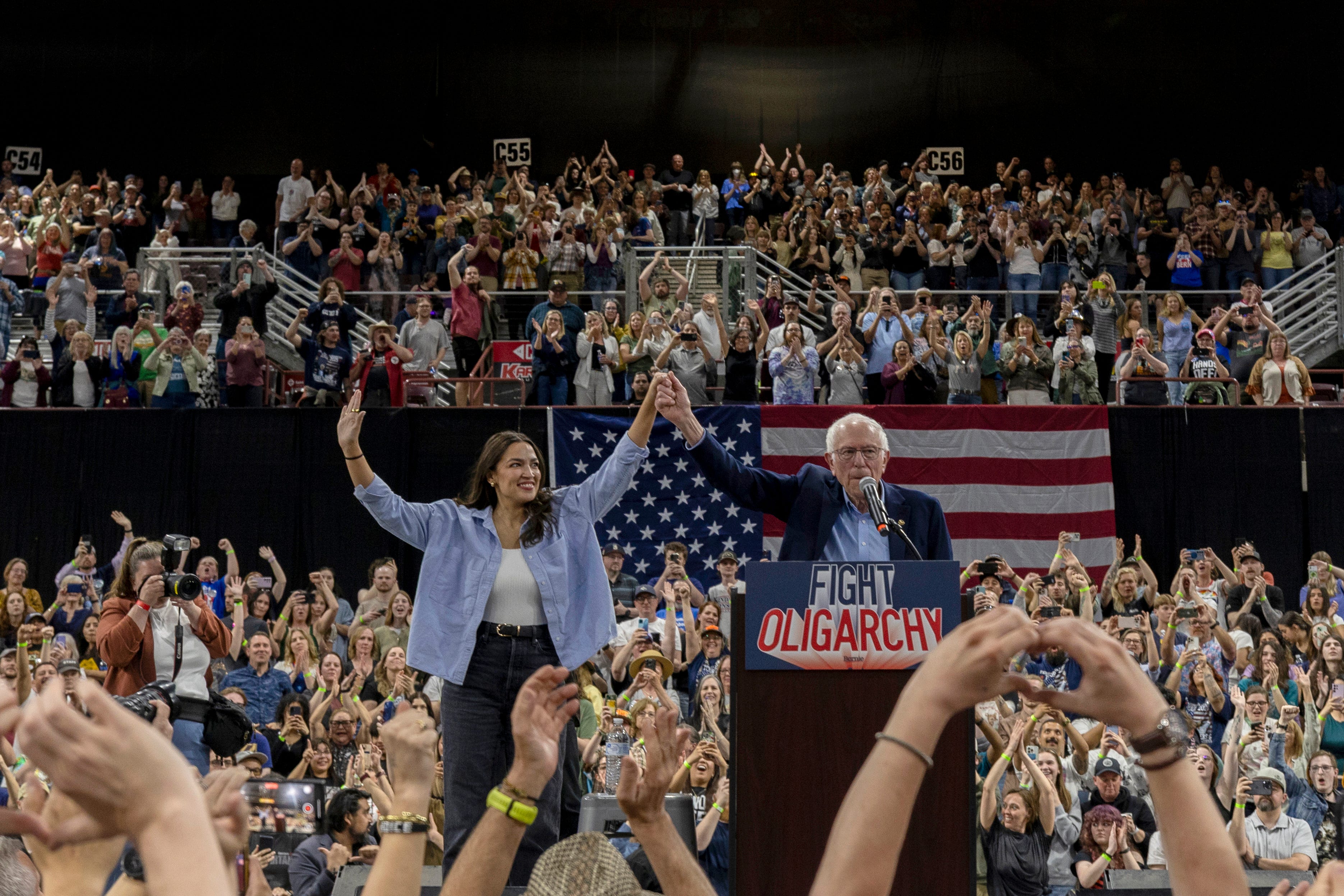
I don’t think so. I think that this is pretty much where we are. All factors point to the conclusion that in 2028, it is AOC for president or bust. She is the one, the obvious one. It’s easy to see why she might choose not to run: She would have to forsake her seat in Congress, she would have to sacrifice any remaining normality in her lifestyle, and she is, surely, pretty young to be doing this. In terms of lifestyle, United States President is the worst job on earth, and asking a non-sociopath to seek the job because it is good for the movement is close to asking them to sacrifice their life for the cause. Still, the situation is what it is. Never in my lifetime has the left had this energy, credibility, and opportunity. And crucially, even if AOC runs and loses, it will be worth it. Fuck her seat in Congress. She could work for Zohran or do anything else she wants for a year or two and get reelected to Congress easily. We can all see, now, the benefits that Bernie’s two presidential campaigns produced. They in many ways planted the seeds that grew into the harvest the left is now reaping. Bernie himself understand that he is old and needs some sort of successor. AOC is the one he’s picked. She carries his blessing, his endorsement, his national profile on her shoulders. No one else does. She can produce a campaign that could inspire a new round of young people to fight for a better world and to engage in the political system.

This is not about saying she is a perfect candidate, or even about pretending to be able to make the impossible prediction that she would surely win. It is simply about asking ourselves, “In the context of the 2028 presidential elections, what is the best way for us to actually move toward the substantive political and social and economic changes that are necessary in the United States?” An AOC presidential candidacy is the answer to that question. No election is the beginning or ending of an entire movement. But it is a big opportunity to expand the movement, to push our momentum forward, and to force the Democratic Party to move left in accountable, meaningful ways that will change real people’s lives down the road.

So, AOC, while I completely understand why you might not want to run for president, I think you gotta. Sometimes history calls your name and you have to answer the call. If you don’t, you will regret it forever, and so will we.

Leave a comment


Also

  • Related reading: Eugene Debs and All of Us; New York Socialist City; Horse race coverage is bad.

  • The Trump administration has terminated TPS protections and is planning to deport thousands of Haitians from America. Here you will find a verified link to donate to support and protect Haitian families in Springfield, Ohio. (I wrote about Springfield’s Haitian community here.)

  • I’m going to cover the 2028 presidential campaign. It costs money to do that. I do not have an expense account, because this is real live independent media. You can help make this sort of independent media coverage possible by clicking the link below and becoming a paid subscriber to How Things Work. It doesn’t cost much and it is the only way I continue to exist. Alternately, Bari Weiss will be making most of the news coverage decisions for the election. Thank you all for reading, always.

Subscribe now

Read the whole story
rocketo
1 hour ago
reply
seattle, wa
Share this story
Delete

Do Not Buy The War Crime N64

1 Comment
Do Not Buy The War Crime N64

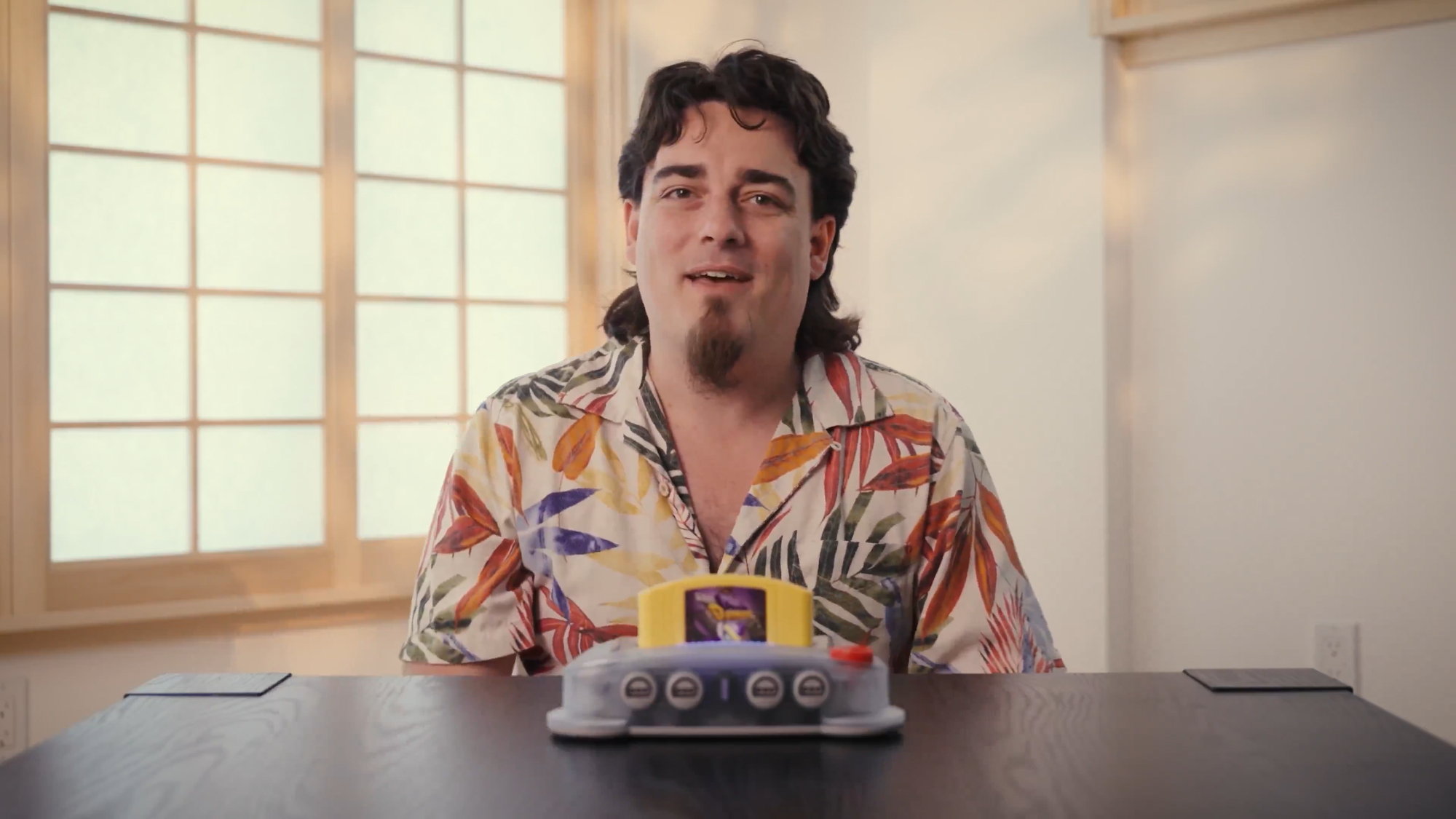
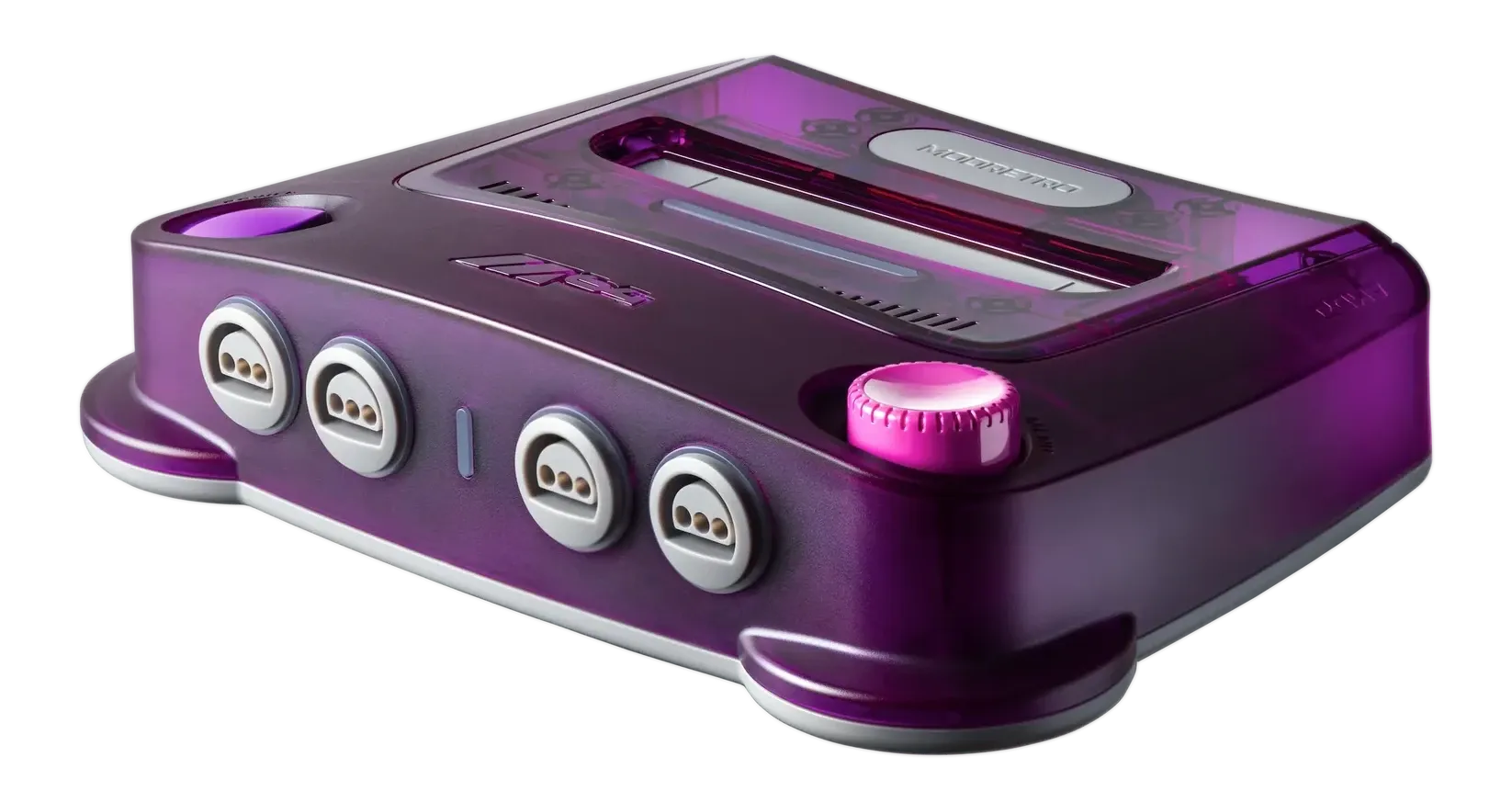
Palmer Lucky is an evil fucking worm and dipshit beneficiary of government contracts. He’s the Oculus jackass with a shitty soul patch who runs a military defense company called Anduril. I could continue to talk about the general ways I dislike him on a personal level, but I’ll instead focus on a specific one: He shares many of my hobbies, including an enthusiasm for retro gaming and FPGA hardware. If you see the company ModRetro, know that’s his company. ModRetro recently released an FPGA-based machine in the shape of the N64 called the M64. You do not, under any circumstances, need to buy a war crime N64. 

Do Not Buy The War Crime N64
If I can be super petty for a second: the knob on that thing looks atrocious. You're mixing matte and glossy! Credit: ModRetro.

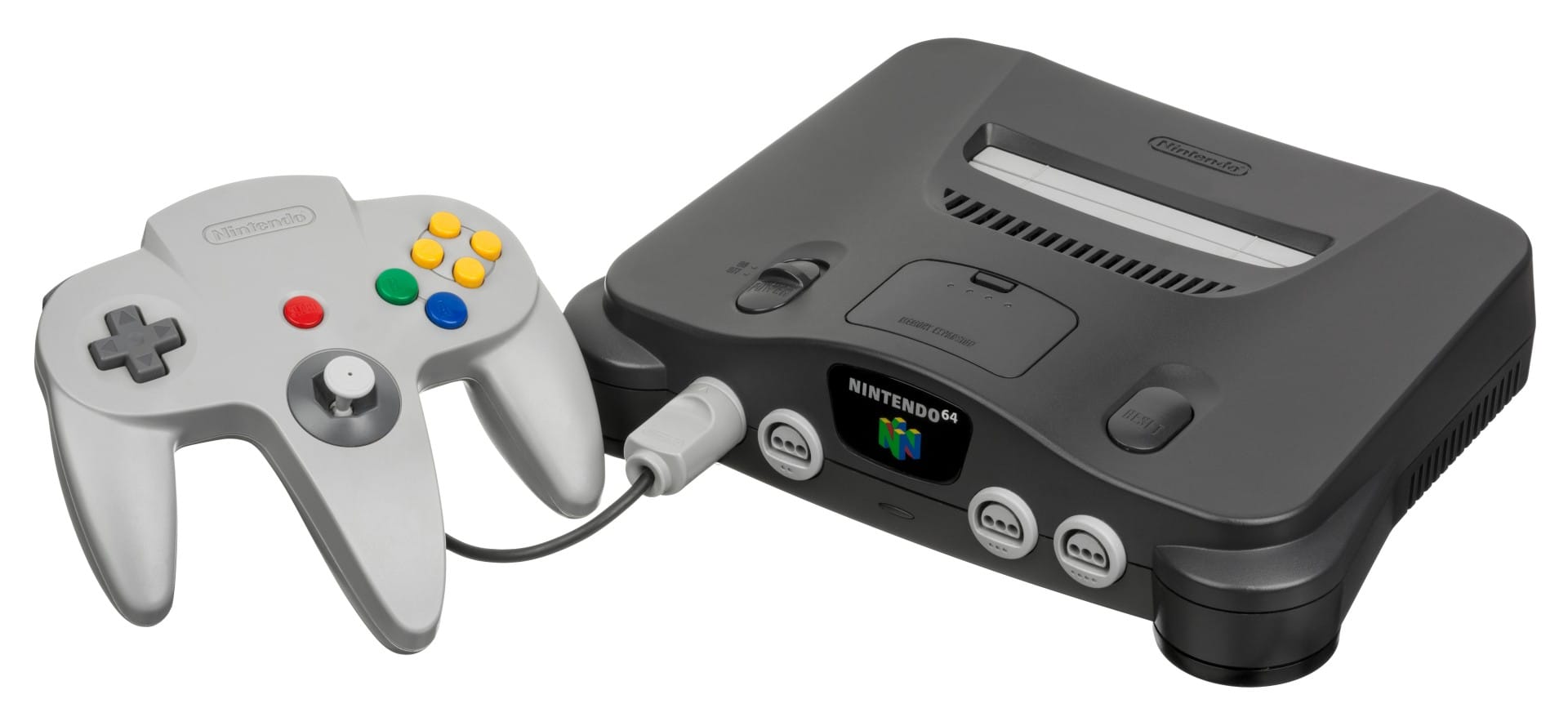
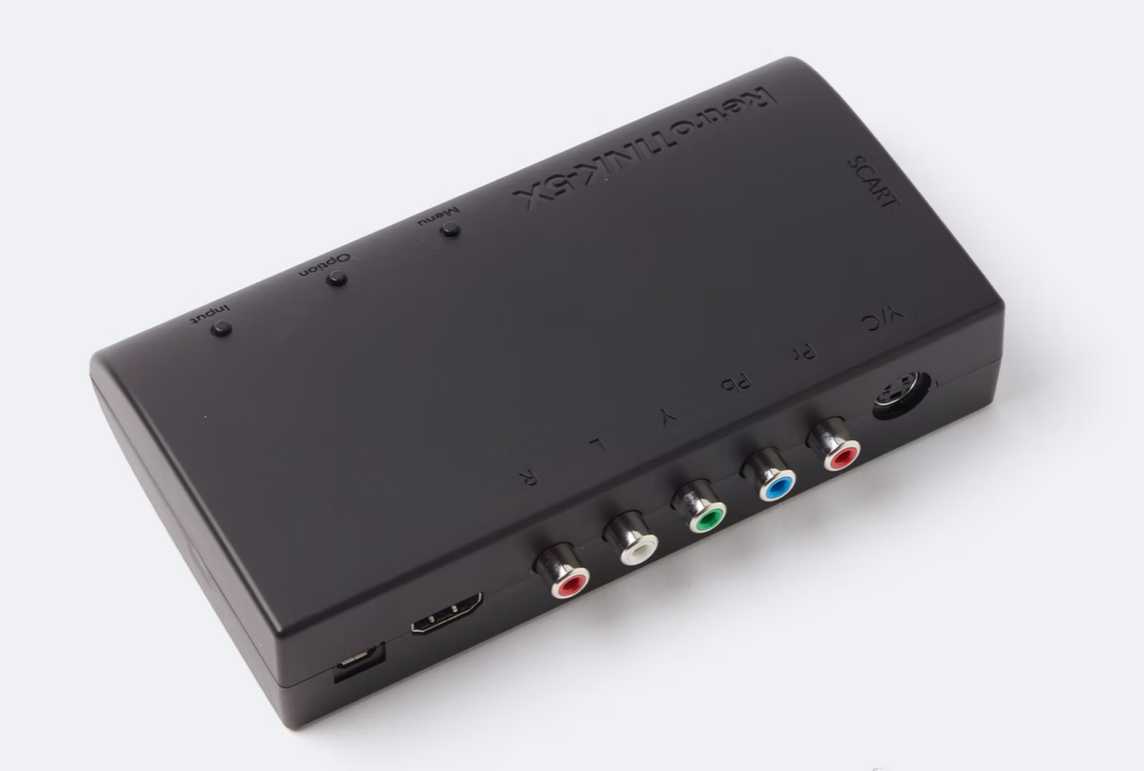
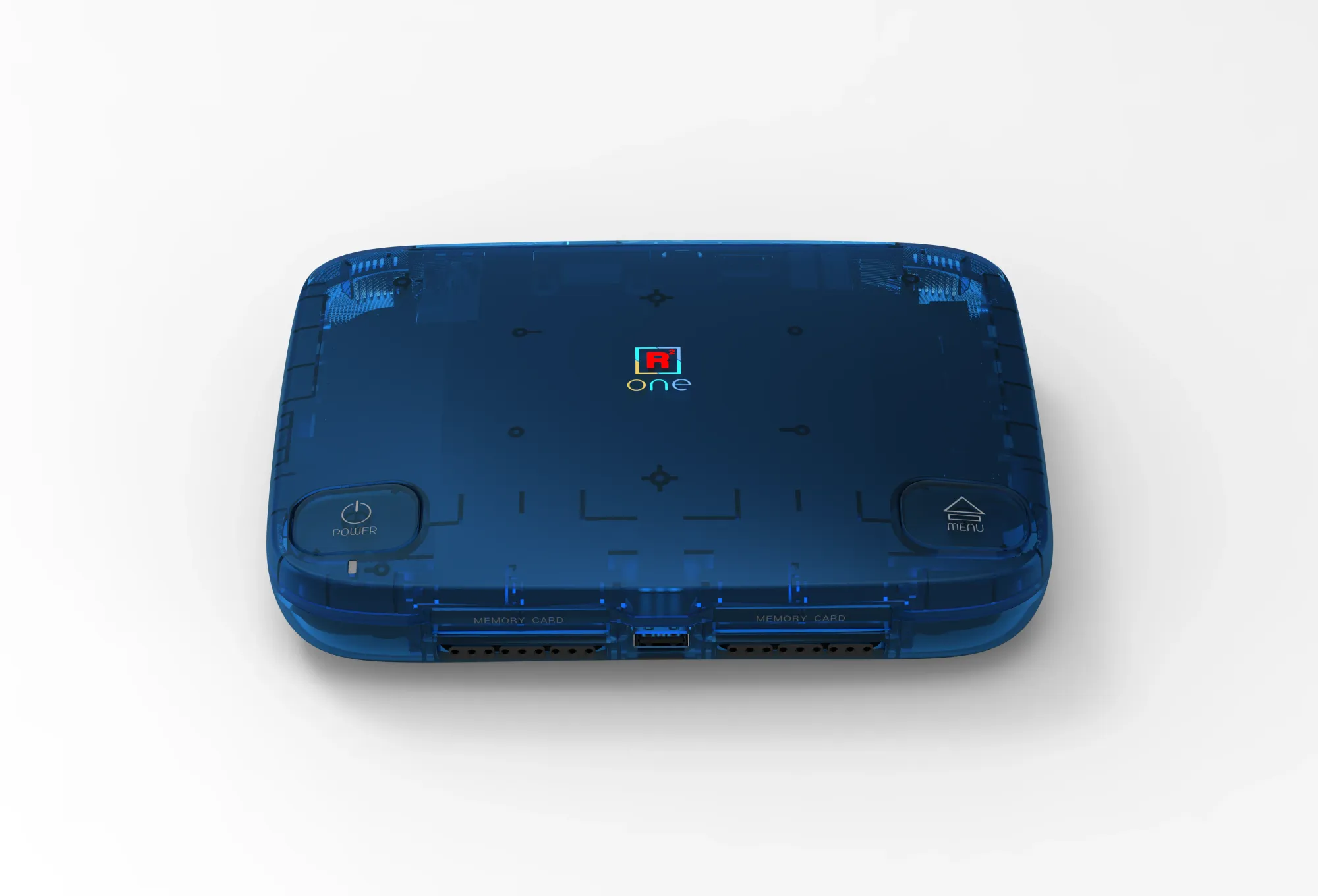
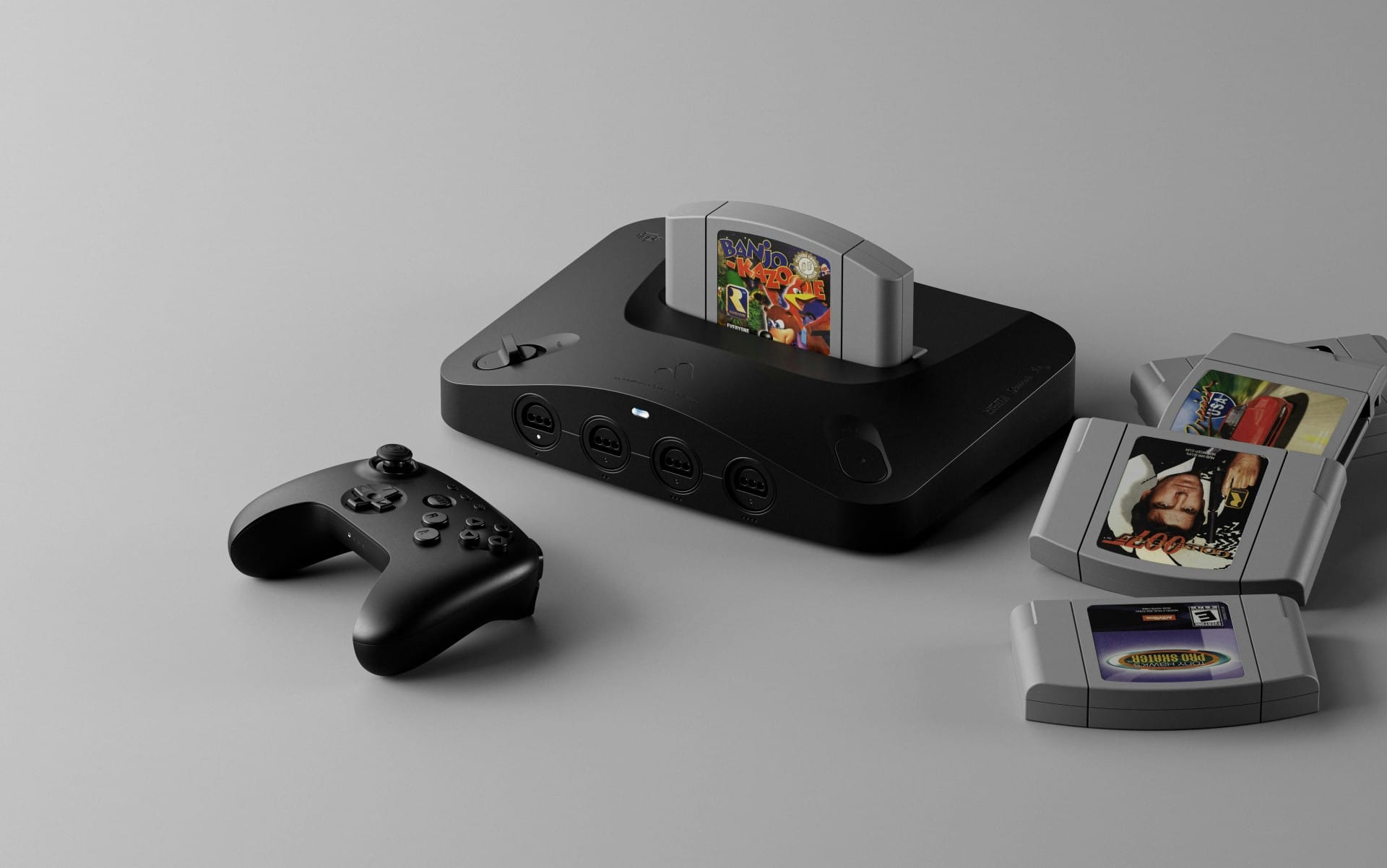
First let’s just talk about the practical: There’s no shortage of ways to play the N64. You can get original hardware and a CRT or an upscaler like the Retrotink, a piece of hardware that’s made by people who really care. You can also mod an HDMI port into an old N64 if you aren’t a coward. If you want something FPGA-based that plays cartridges, the Analogue 3D works. The Superstation One runs FPGA cores just fine. Or to hell with it, just get a MiSTer or even just download a god-fearing emulator. Nobody needs Palmer Luckey’s evil little device, particularly when the market has never been more saturated. 

This is not the first product ModRetro has put out. They also put an evil Game Boy out, and specifically put one out in “attack drone metal.” I hate these winking little shits. Not only are they using retro gaming to be fascists, they’re doing it in the corniest way humanly possible. 

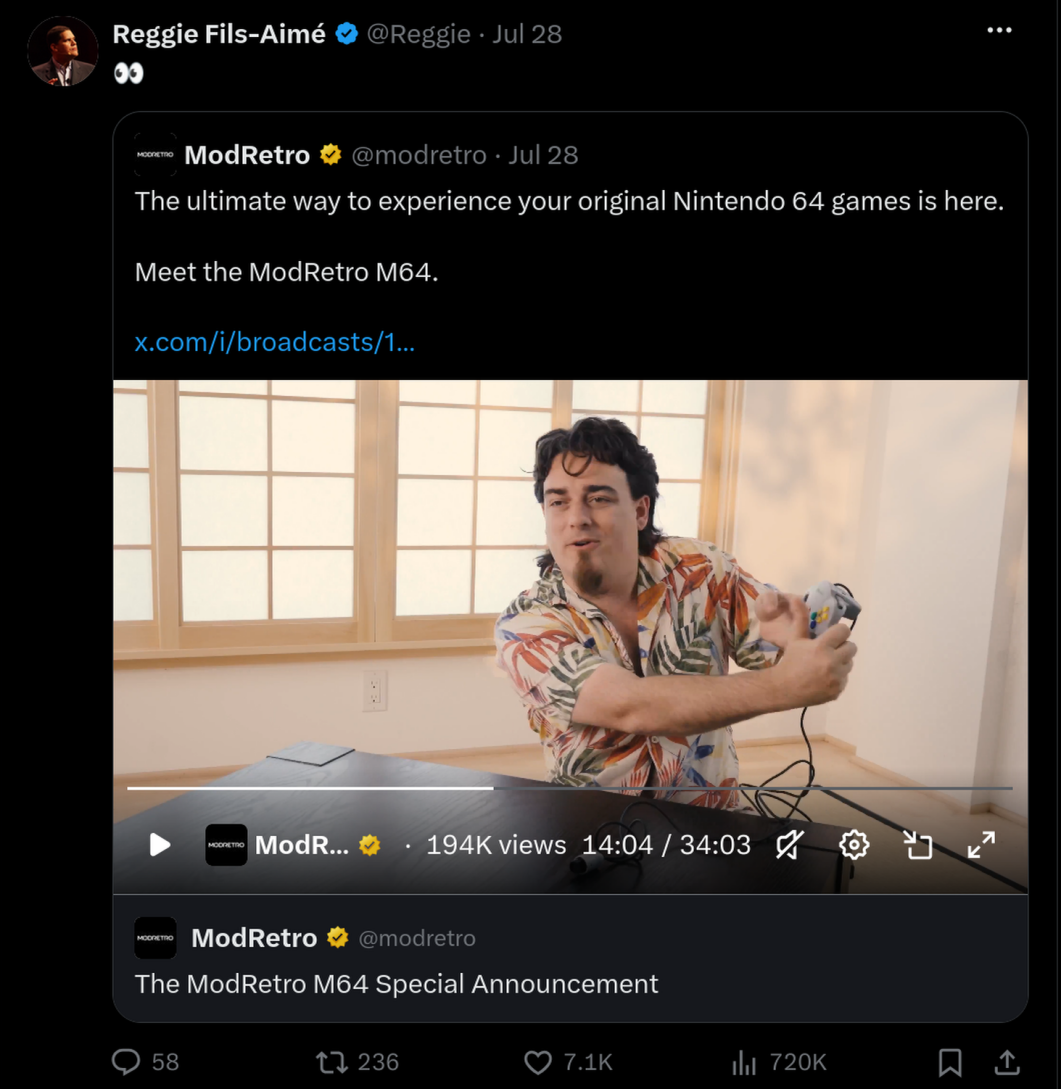
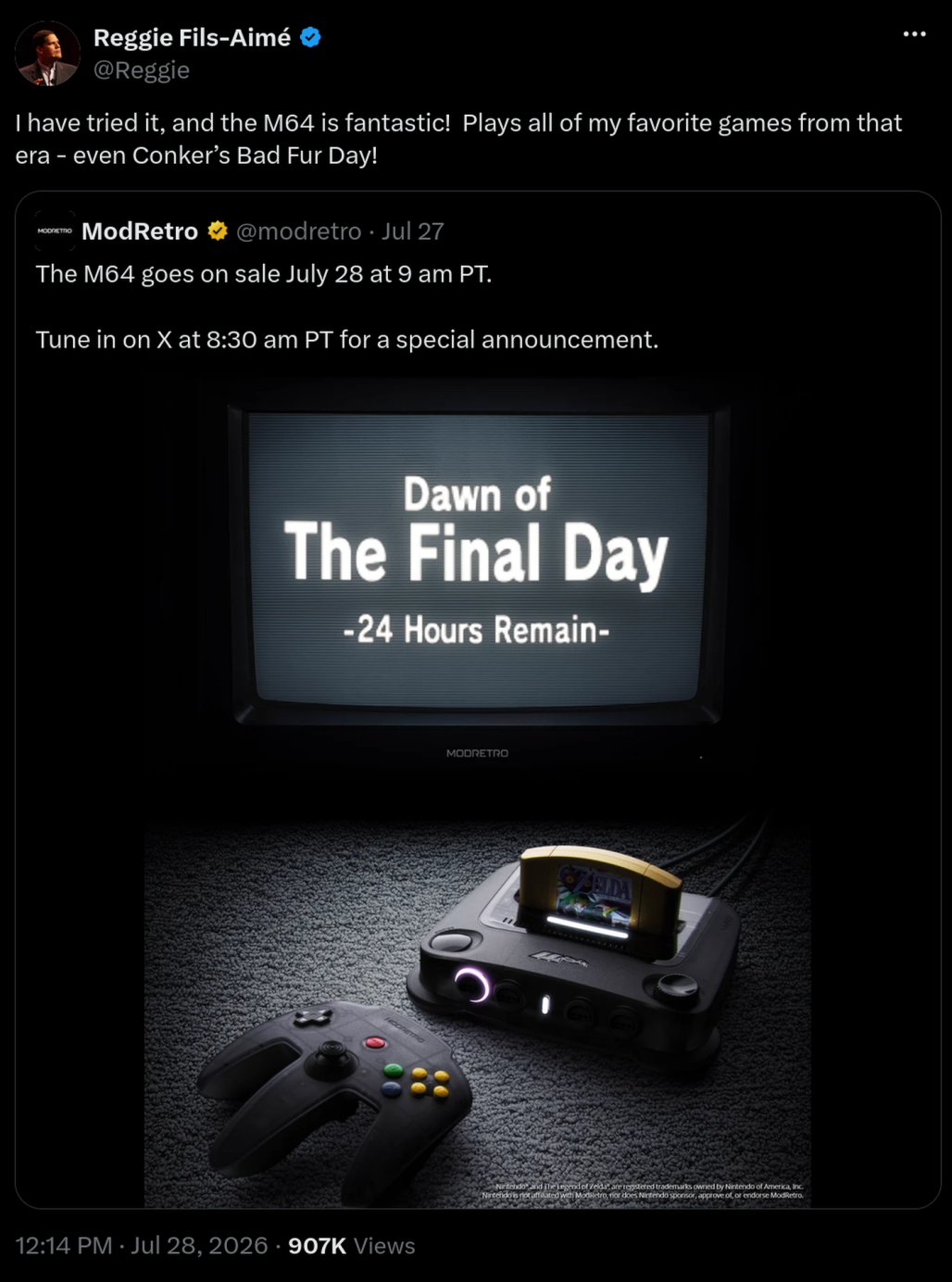
Former Nintendo of America President Reggie Fils-Aimé took to X, The Everything App twice in one day to signal boost that evil dipshit’s pet project. In the spirit of Hater Week, I’d like to officially state that Reggie can go fuck himself as well. 


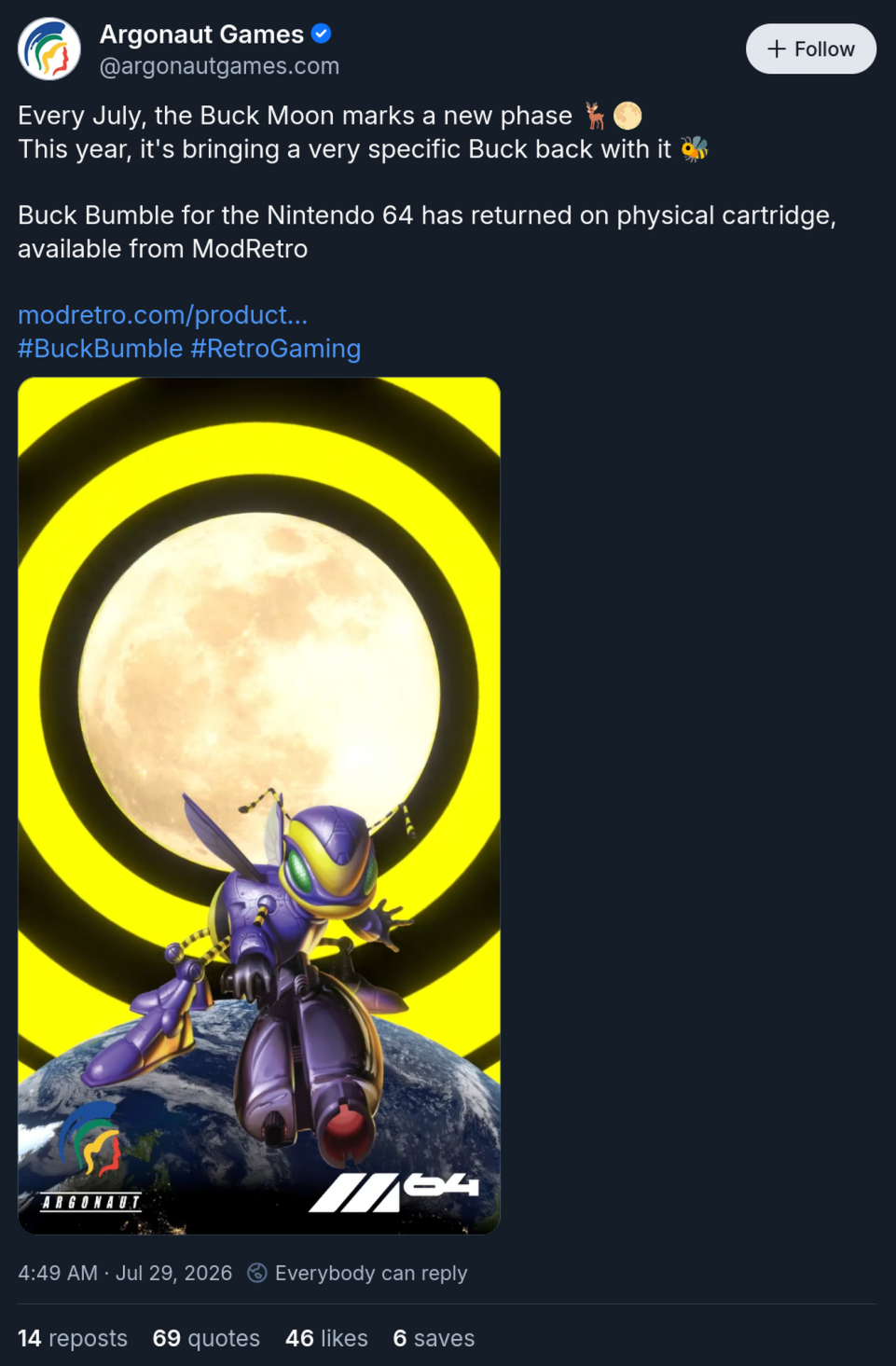
Argonaut Games also announced they’d be rereleasing Buck Bumble in collaboration with ModRetro, and immediately got dragged for it in the replies. Buck Bumble can also fuck off.

Do Not Buy The War Crime N64
Credit: Argonautgames on BlueSky

We cannot let these people feel comfortable in our hobby. Even if it’s just on a personal level, I’m sick of seeing them. The Video Game History Foundation’s Frank Cifaldi said it best last December: “I say this with zero irony: if you are even tangentially a part of a retro video game community, it is your civic duty to push back against this company and shun anyone who doesn't. This is fascism tapping gently at the door and as soon as you let it in, it's going to invite its friends.” 

If we do not draw a line somewhere, they will continue to bring their hatred to us. There’s no better time than the present.

Read the whole story
rocketo
1 hour ago
reply
Palmer Lucky is an evil fucking worm and dipshit beneficiary of government contracts. He’s the Oculus jackass with a shitty soul patch who runs a military defense company called Anduril. I could continue to talk about the general ways I dislike him on a personal level, but I’ll instead focus on a specific one: He shares many of my hobbies, including an enthusiasm for retro gaming and FPGA hardware. If you see the company ModRetro, know that’s his company. ModRetro recently released an FPGA-based machine in the shape of the N64 called the M64. You do not, under any circumstances, need to buy a war crime N64.

also: https://paletteswap.site/different-colors/nintendo-hoping-youve-forgotten-it-enslaved-that-one-switch-hacker-by-now/
seattle, wa
Share this story
Delete

Let Me And A Food Scientist Sample The Abandoned Fish Sauce Terrorizing A Small Canadian Town

1 Comment

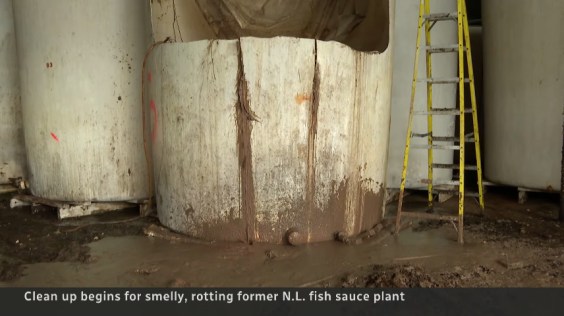
Take capelin, a small silvery fish in the smelt family. Now add salt. Then throw those two ingredients in 110 vats, each of them about 10 feet tall, and let them sit in a defunct factory for over two decades. The resulting stench might haunt an entire community, as it has the people of St. Mary's, a coastal town of about 300 people in the Canadian province of Newfoundland and Labrador. In 2019, one resident described the ritual of abandoning her home every summer, boarding up the windows and doors so the smell doesn't permeate her belongings. The people of St. Mary's have long fought for the fish sludge to be cleaned up; after an aborted attempt in 2016, that work finally began in earnest this week.

There are 900,000 liters of fish sauce to remove—some of it just liquid, some of it with fish solids. The province of Newfoundland and Labrador budgeted $2 million for the job, which was taken up by a local engineering firm and is expected to be completed in October. As workers cut open the vats, viscous brown fish goo shot out onto the factory floor. It will be mixed with peat moss, hauled out in about 200 truckloads, and thrown in a landfill lined with polyethylene, after which it will be sealed up "like a Ziploc," according to the lead engineer on the project. St. Mary's Mayor Steve Ryan reportedly teared up while describing new hope. "To be known as the 'sauce plant mayor' … it's time for that to be over," he said.

https://www.youtube.com/watch?v=Xn8KEpRqD1Y


Read the whole story
rocketo
1 hour ago
reply
[Both laughing, with hunger]
seattle, wa
Share this story
Delete

Death To Beginning The Story In Medias Res!

1 Comment
Death To Beginning The Story In Medias Res!

This story begins with a man falling through the atmosphere, plummeting towards his apparent doom. This is as surprising to him as it is to us watching at home, because he was asleep at the start of his plummet, and now he is awake and screaming, which is sensible. But hang on! He's resourceful, or as resourceful as you can be when falling from 35,000 feet. He stops screaming and spreads his limbs, slowing his descent like in Point Break. He's gonna figure this out. But not before we find out what he was up to 24 hours ago!

It turns out he was at his laptop, reading a blog on the internet. Not very exciting, huh? That's okay – soon he will get a coffee! Not sexy enough for you? That's what the pain au chocolat he'll soon be noshing on is about. How will this guy find himself up there? Guess you'll have to watch 45 to 50 minutes of this middling streaming drama premiere to find out! 

Wasn't that irritating? Well, I hope you're not planning on watching TV any time soon. Fucking everyone is doing this these days. 

Like many annoying things writers do, we have borrowed a phrase from Latin to describe what others would call simple buffoonery: in medias res. It translates to "in the middle of things," and it refers to the decision to start a story somewhere other than the beginning. 

But wouldn't that make it the beginning? you may ask. To which I say: Don't you have laundry to fold or a second screen to look at? Because that's why TV shows even do this nonsense. Netflix, for example, simply wants you watching long enough to count your stream as a "view." 

Look: there are many ways to do this and even do it well, but most television shows are not pulling it off. Most often, it's a tacit admission that what follows the shocking opening isn't compelling on its own without the carrot of the wild predicament dangling over it. It takes the burden of earning the audience's attention off story, and assuming you have the audience when you do not is perhaps the entertainer's greatest sin. 

But let's say you do not agree with me on a philosophical level. Whatever gets asses in seats ought to be fair game, right? Yeah, sure — except in 2026, it's the biggest cliché, and you ought to abhor a cliché. While there is no governing body deciding what is cliché and what is not (and there really should be; as much as I love writing a cranky blog I don't have the time to straighten everyone out), it behooves us all to notice when a new one is forming. If you haven't noticed, let me be the one to tell you: Beginning in medias res is now a cliché. Try something else. 

Don't think you can outsmart this. Everyone believes that they will be the one to pull off the genius instance, become an exemplar of the form like the Hannibal season 2 premiere. That way lies ruin, friend. You know what would actually help you? Writing a really fucking good beginning that starts the story where it is meant to start. It can even be in the middle of things, as a treat – Disclosure Day is one of the more divisive films of the year, but most everyone appreciates how the movie starts: immediately opening with a guy getting clobbered in a wrestling match, before revealing that a clandestine handoff is taking place in the stands. At first, this appears to be an in medias res opening but, crucially, the story continues from there. No flashing back. If anything before this happened, we didn't have to see it. It is simply the best place to start the story, and a thrilling one at that. 

Mostly though, my biggest objection to the in medias res opening is that it treats me like I'm an idiot who has to be tricked into a story, and I really dislike being treated like an idiot. Which I suppose might be adequate motivation for me to come to your house, knock you unconscious, and drop you from an airplane – although if the audience watching this scenario learned that this is the reason for your fate in a flashback after the scene where you were in freefall, they'd probably be disappointed. 

Death To Beginning The Story In Medias Res!

It's Hater Week here on Aftermath. This week we’re letting the hate flow through us by examining what it means to be a hater (and… a lover?), venting about some of our biggest pet peeves in games and life, and giving others a space to do the same.

Read More
Read the whole story
rocketo
1 day ago
reply
How will this guy find himself up there? Guess you'll have to watch 45 to 50 minutes of this middling streaming drama premiere to find out!
seattle, wa
Share this story
Delete

The Punchline

1 Share

I wrote yesterday about the correspondents’ dinner and the press corps that sat through it. The room was the story, and I stand by that. But one bit from Friday night has been stuck in my head all weekend, and I want to stay on it for a minute.

At one point during his speech, Trump got around to Kaitlan Collins, who had just accepted the WHCA’s award for Excellence in Presidential News Coverage Under Deadline Pressure from Wolf Blitzer, which she earned covering the Oval Office Zelensky blowup last year. Trump congratulated her, sort of: the award was fake, he told the room, and she shouldn’t have won it. She never smiles, he went on, and she really should, considering what a nice position she has over at CNN, which he reminded everyone is fake news. “So smile, Kaitlan, just smile.” (He ran the same routine on her in the Oval Office in February, mid-question about Epstein’s survivors.)

Then the bit. He’d heard Collins had landed a big sponsorship, except “it wasn’t her on the Bud Light can, it was Dylan Mulvaney.” Mulvaney, he claimed, cost Bud Light “$35 billion in market cap.” And he closed with a line about how he’d never want to give her a job.

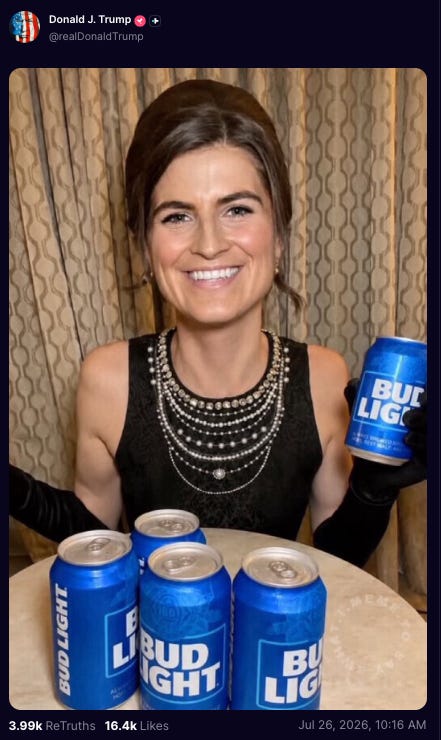
On Sunday morning he posted a follow-up to his personal Truth Social account: an AI-edited image of Collins’ face on Mulvaney’s body, lifted from the 2023 Bud Light video.

And look at what that image actually shows. A smiling woman in a black dress and gloves, holding a beer, a few more cans lined up on the table. That’s the entire picture. The insult is something the viewer has to supply.

Everybody supplied it. That’s what I keep coming back to. The bit bombed, sure. But nobody in that ballroom needed the joke explained, and nobody leaned over to ask what he meant. Neither did anyone who read about it the next morning. The joke has exactly one moving part, the assumption that being compared to a trans woman is a step down, and that assumption is so widely shared in 2026 that the president of the United States can build a punchline on it, on live television, without ever saying it out loud.

Then came the objections. They ran on the same assumption.

The most instructive objection came from Rahm Emanuel, 2028-curious and on CNN’s payroll as a contributor. Trump, he told the Washington Examiner, “should apologize to Kaitlan Collins specifically,” and to all the journalists he insults. Mulvaney’s name doesn’t come up. This is the same guy who gave Megyn Kelly a flat “Can a man become a woman? No,” then stood by it for months, and who told NPR “That’s not what I said” when asked whether that denies trans people exist. (He does.) (I’ve written about Rahm before.)

CNN stood behind its anchor, calling her “an exceptional, trusted journalist.” Every word of it earned. But every word of it about Collins.

To be clear: Collins deserved defending. What Trump does to her (trashing her work, grading her face, ordering her to smile) is its own familiar ugliness, and I’m glad people pushed back. But I’m a little saddened by how few people seemed to realize that Mulvaney was being insulted here (repeatedly), too.

On Sunday evening, Mulvaney posted a four-minute video to TikTok and Instagram. I’m going to give you the whole thing, because it deserves to be read whole.

Hi, is this a good time? Well, it’s definitely an interesting time, because my name is Dylan Mulvaney, and the president of the United States said my name in his speech four times on Friday night. I couldn’t respond right away, because yesterday I had tickets to see Meg Stalter in Oh, Mary!, but now I think I’d like to say a little something.

Firstly, I would like to congratulate CNN’s Kaitlan Collins on her award and tell her that I’m incredibly honored to be compared to her in any way. And I hope that she keeps doing all the great work.

Now, the president also brought up a video I did over three years ago. And mind you, I’ve been kind of flying under the radar, keeping up a pretty low profile, just doing my little musicals, singing, dancing, and yet I am still his topic of conversation all these years later. And it seems to me that I might be the one that got away for these men. I am permanently burned into their retinas. I am microchipped into their minds.

And when I first heard that the president put me on his diss track, I was like, well, that’s not good. Now, a few weeks ago, I would have probably been more upset about this. But luckily, I was ghosted last month by a hookup who I really liked. And what I realized from that experience was that I shouldn’t want to be with someone who doesn’t really want to be with me. So maybe I shouldn’t want to be professionally supported by an administration that doesn’t personally support me, or so many others in this country. Food for thought.

In fact, maybe being publicly mocked and criticized by this administration is actually the greatest compliment of all, because it puts me in the company of some of the most brilliant, empathetic people in our world today.

But I do still wonder: why is it so important to them that I don’t find success? What is it that I have that they don’t? Oh my God, freedom. I am free in a way that they will never have the privilege to experience. And they want to use their power to take away my freedom. But what they don’t understand is that my freedom has zero contingency on what they can provide for me, because my freedom is fully dependent on the moment that I acknowledged my real, authentic self, and every day since. And sharing that with the world? It’s just icing on the cake. But they don’t want me to be able to share that, because it would mean young people realizing that if someone like me can be themselves and find success and freedom, then they can find success and freedom for themselves too.

So now I have some action items for us. Are you ready?

Number one: Support trans and nonbinary people. This is the time. I am sounding the alarm. We need you to stand up for us, vote for us, donate to our causes, hire us, and support the businesses who hire us. But most importantly, love us. That is what we need more than anything right now, publicly and proudly.

Number two: If a young person is seeking acceptance, we are going to love them. And if you are a young person watching this, I need you to hold onto every piece of yourself tightly, especially the parts that they are trying to make you feel guilty about, or trying to scare you into abandoning. And I need you to find people who will help you carry those pieces into a kinder day, okay?

Okay. And number three: When they try to judge you for your support of us, take that as the greatest compliment. Ladies, when they tell you that you look like a trans woman, wear it like a medal. Men, when they tell you that being attracted to trans women makes you gay, I want you to Hilary Duff PSA their ass so hard that they don’t even know what just happened. And to the dolls: let’s have each other’s backs.

And lastly, to the president: thank you for reminding me that I am more powerful than I even knew. And to quote my favorite recording artist, Shea Diamond: I am America.

Love you.

We’ve now spent a solid decade fighting about cancel culture, about whether anyone should be ruined over an old tweet or a resurfaced college photo. Okay. Run that framework on Dylan Mulvaney and look for the offense. The complete inventory: one sponsored Instagram video promoting a March Madness contest, and a novelty can the company mailed her with her face on it. That’s the whole file. No statement to disavow, no scandal to relitigate, no victim anywhere in it. A beer ad.

And I’ll be honest: I’ve found plenty of Mulvaney’s content reductive over the years. Cringe, even. It could not matter less. Her content has never been the thing on trial. If her posts aren’t for you, the technology for not watching them is free and works great.

So here’s who we’re actually talking about. A musical theater kid who documented her transition online, did one sponsored post for a beer company, and has been screamed at ever since. Nobody has ever said what would end it, because nothing would. The problem is not something she says or does, but who she is. And that’s just bigotry.

Share

“I wouldn’t want to hire Dylan any time soon,” said Trump on Friday. This has always been the point. When the boycott was at full boil in 2023, I wrote that its real goal was making companies think twice about hiring a trans person for anything, at any level. Mulvaney said something similar that fall: a company that hires a trans person and then goes quiet “gives customers permission to be as transphobic and hateful as they want.”

The company’s rehabilitation went fine. In October 2023, with the boycott still going, Bud Light became the official beer of the UFC, in what was reported as the biggest sponsorship deal in the promotion’s history. And that deal is how, this June, Bud Light’s logo ended up printed on the Octagon on the White House South Lawn, at the UFC event Trump spent part of Friday’s speech bragging about. (I wrote about that spectacle when it happened.)

The company’s offense was proximity to a trans woman, and proximity can be worked off. You reorganize the marketing department, you sponsor the right fights, you put your logo where the president parties, and all is forgiven. Her offense was being the trans woman. And there’s no working that off.

She can’t come back, because she’s needed right where she is. For any of this to look like a fair fight, Dylan Mulvaney has to be enormous.

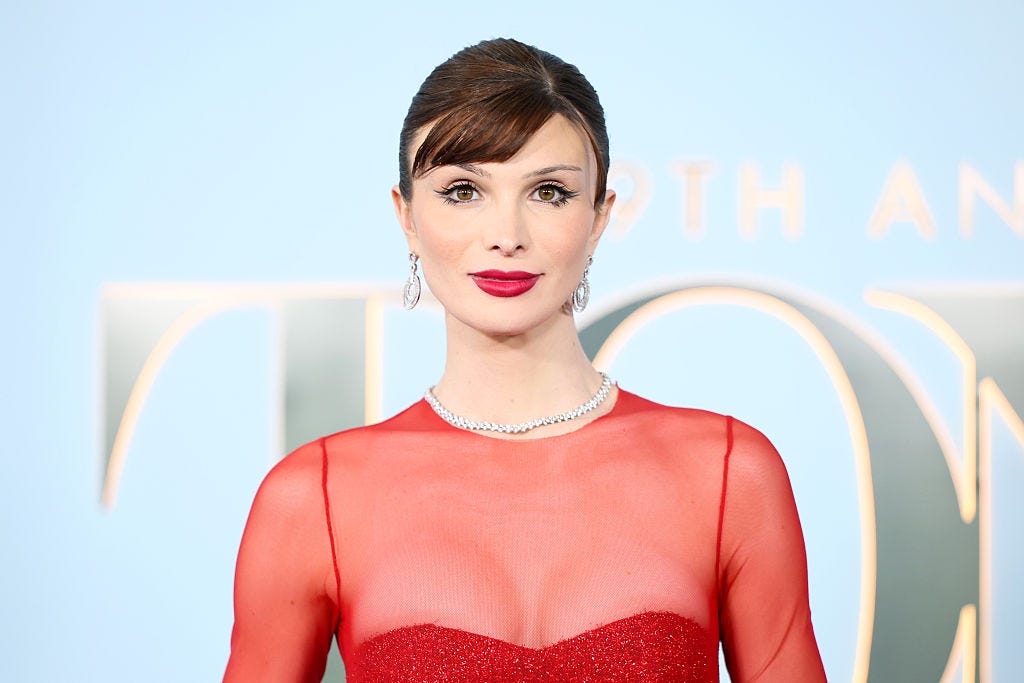
Dylan Mulvaney attends the 79th Annual Tony Awards at Radio City Music Hall on June 07, 2026 in New York City. (Photo by Dia Dipasupil/WireImage)

The whole genre of “super powerful trans people” runs on an imaginary trans person: the one shrieking “did you just assume my gender!?” at strangers, the one demanding you memorize neopronouns. (I’ve been out as trans for fourteen years. I’ve never met a single person who goes by “xir.” I’m sure such people exist, but they are nowhere near common enough for this to be something you spend any amount of time thinking about.) The imaginary trans person is everywhere, powerful, hair-trigger, coming for your kid’s locker room.

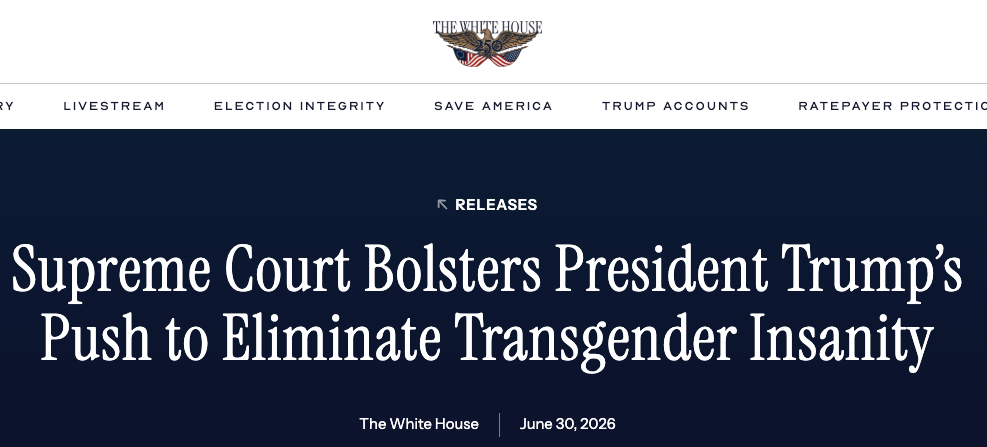
Here’s how the people with actual power spent last month. The White House published a press release titled “Supreme Court Bolsters President Trump’s Push to Eliminate Transgender Insanity.” That’s the real name of a real document on whitehouse.gov, posted in the middle of Pride Month, listing the administration’s moves against trans people as a stack of wins. That’s pretty scary, and it goes beyond “reasonable concerns” that people claim to have about sports and youth medicine and whatnot.

Same government that, since the Supreme Court cleared the policy in November, now only issues passports showing your sex assigned at birth. Renew yours, and the letter reverts, no matter what your license, your doctors, your birth certificate, or your entire life says. Justice Ketanji Brown Jackson’s dissent warned that the policy exposes trans people to “increased violence, harassment, and discrimination.”

And the opposition party? Three weeks ago, days after that Supreme Court ruling, Amy Acton, the Democrat running for governor of Ohio, told the Toledo Blade: “I do not support boys playing in girls’ sports.” Boys. Her word. She’s got company: Gavin Newsom opened his podcast in 2025 by agreeing with Charlie Kirk about trans athletes. Some Democrats have pushed back; Tim Walz called the party’s retreat a mistake. But with the exception of J.B. Pritzker, the defense almost never comes from anyone who wants to be president, which really worries me about where things are headed.

I said at the top that I wanted to sit with this. Here’s where it landed.

The most powerful man alive stood in front of the American press corps and used a cheerful musical theater performer as the worst thing he could think to call a woman. Everyone understood him. The room understood, the headlines understood, the apology demand understood: it is an insult to be compared to a trans woman, as society tends to view us as weird little goblins. The one person who seemed to reject the premise was Mulvaney.

And Mulvaney had to be lovely about it. Again. In 2023 she spent months “scared to leave my house.” Last year she told People she finally felt “a thousand times stronger,” healed, in a good place. Then the president picked at the scab from a podium, and her job was to answer with grace. She did. Everyone spent Monday admiring it. Nobody should need this much of it.

Read the whole story
rocketo
2 days ago
reply
seattle, wa
Share this story
Delete
Next Page of Stories